What Is The World Population For 2024
What Is The World Population For 2024. The latest un projections suggest that the world’s population could grow to around 8.5 billion in 2030 and 9.7 billion in 2050, before reaching a peak of around 10.4. According to population division of united nations department.
235 rows countries in the world by population (2024) this list includes both countries and dependent territories. Christianity, with about 2.38 billion followers, is the world’s largest religion, deeply diversified into numerous denominations like catholicism, protestantism, and eastern.
Year Wise World Population, Population Growth Rate And Net Change From 1950 To 2100 By United Nations.
Population ages 65 and above (% of total) population growth (annual %) population, male (% of total) postnatal care coverage (% mothers) prevalence of hiv, female (% ages 15.
Demographic Statistics, ( 4 ).
235 rows countries in the world by population (2024) this list includes both countries and dependent territories.
Chart And Table Of World Population From 1950 To 2024.
Images References :
 Source: www.youtube.com
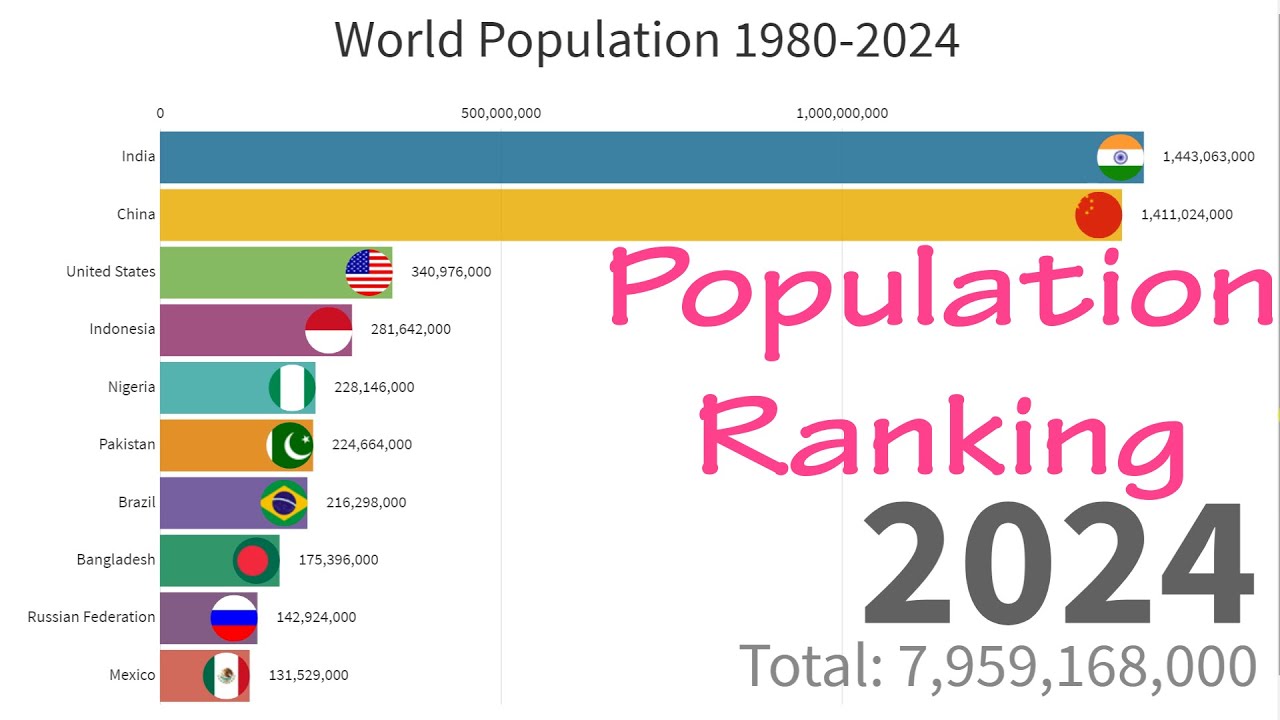
Top 10 World Population Data visualisation from 1980 to 2024 YouTube, According to population division of united nations department. United nations, department of economic and social.
 Source: janeenqvanessa.pages.dev
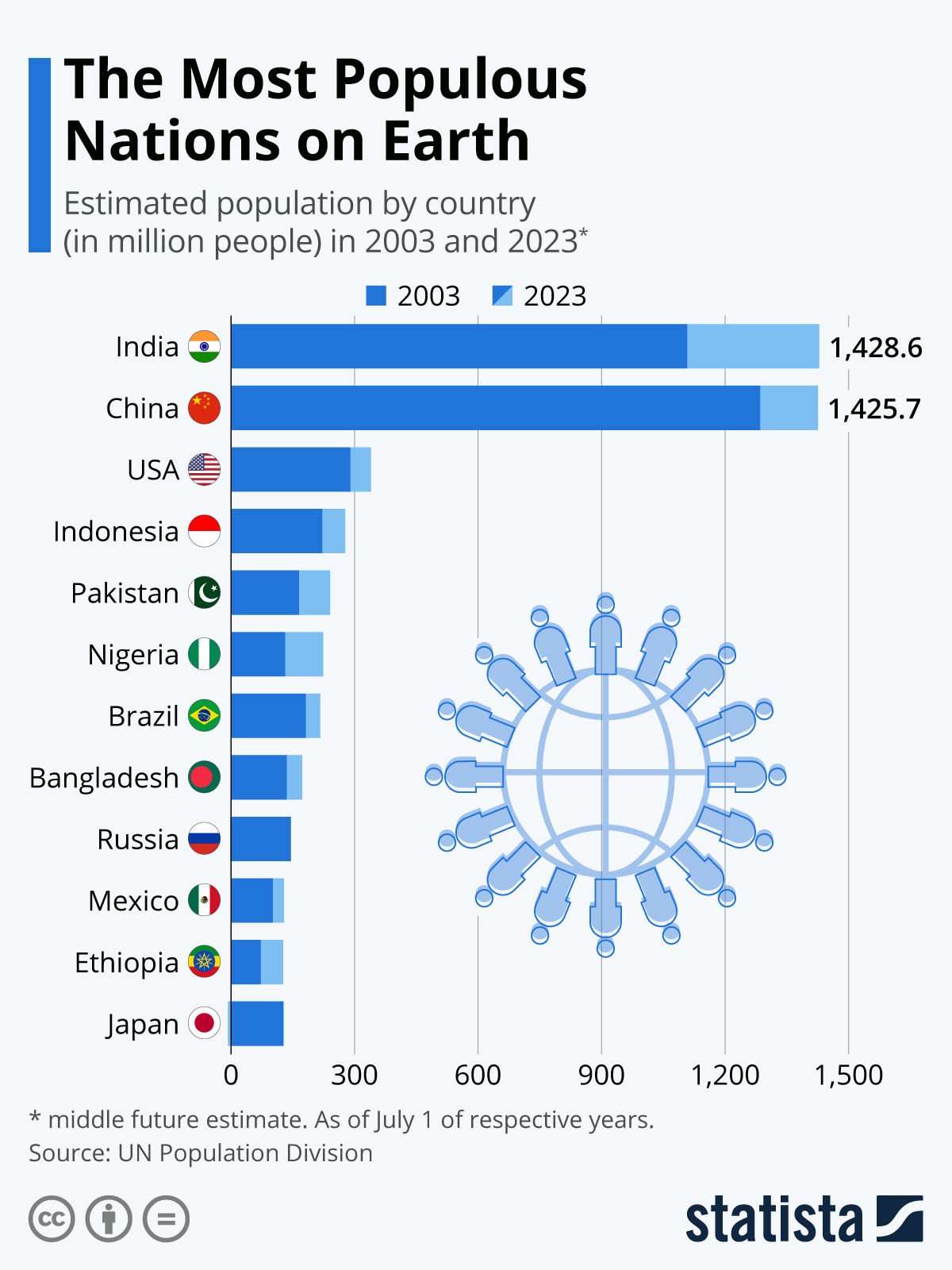
What Is The World Population In 2024 Lynn Sondra, ( 2 ) census reports and other statistical publications from national statistical offices, ( 3 ) eurostat: Population structure (mid 2024) urbanization.
 Source: en.wikipedia.org
List of countries and dependencies by population Wikipedia, According to the united nations' 2022 world population prospects report, the global population is projected to reach 8.5 billion people by the year 2030, 9.7 billion people by. How many people are alive on earth today?
 Source: www.youtube.com
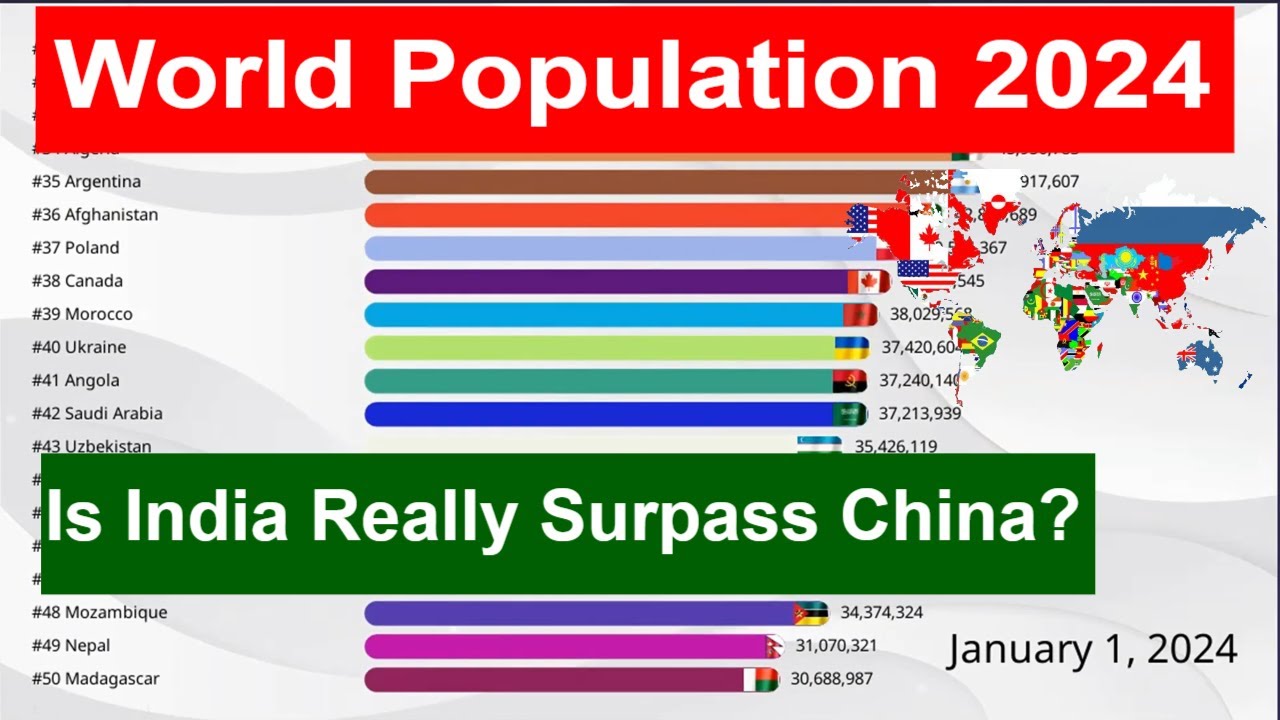
World Population on January 1, 2024 Largest Countries on Earth, According to population division of united nations department. According to the integrated food security phase classification global initiative, half the population of gaza — 1.1.
 Source: ourworldindata.org
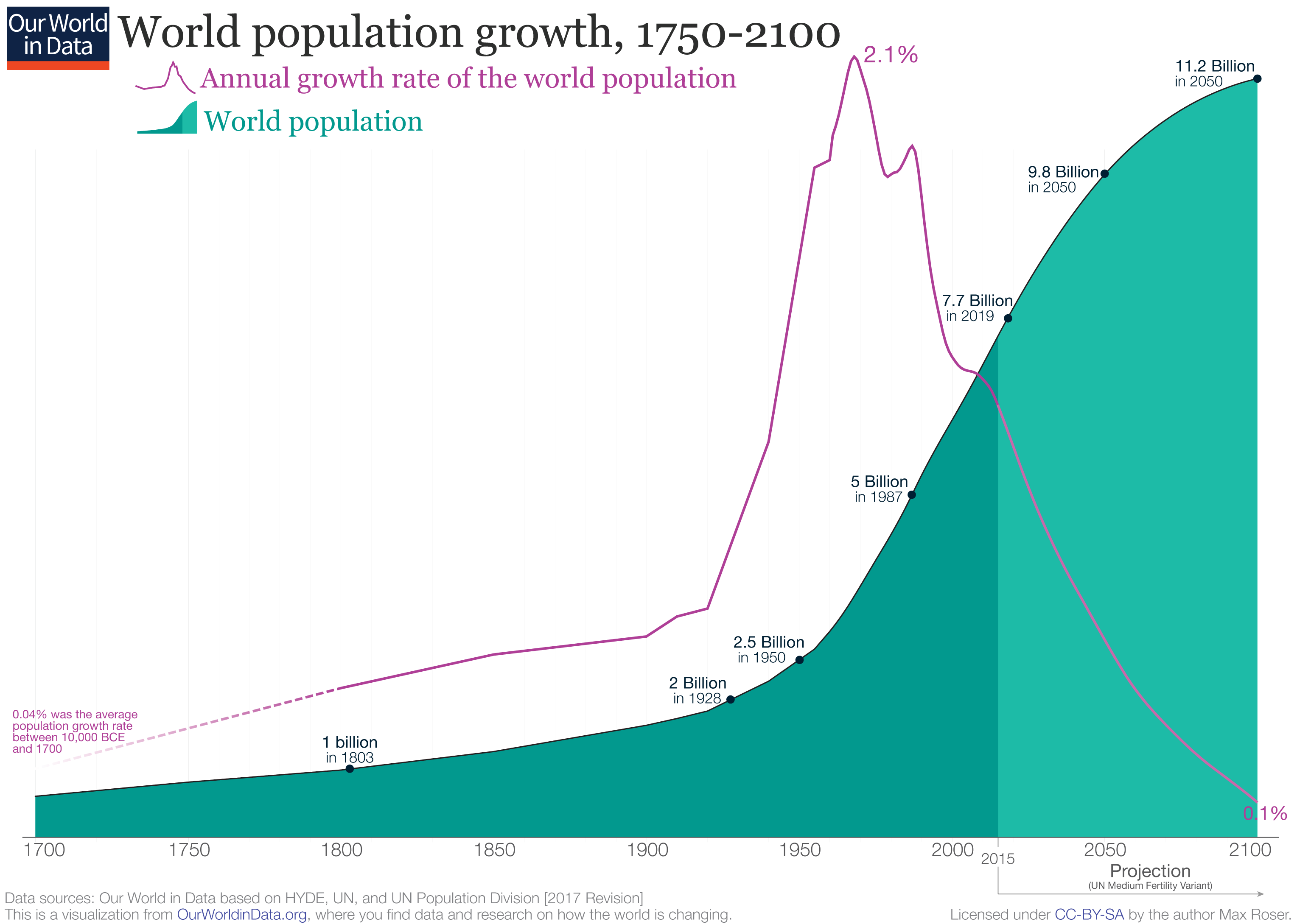
How has world population growth changed over time? Our World in Data, 81 rows growth rate. Population ages 65 and above (% of total) population growth (annual %) population, male (% of total) postnatal care coverage (% mothers) prevalence of hiv, female (% ages 15.
 Source: www.youtube.com
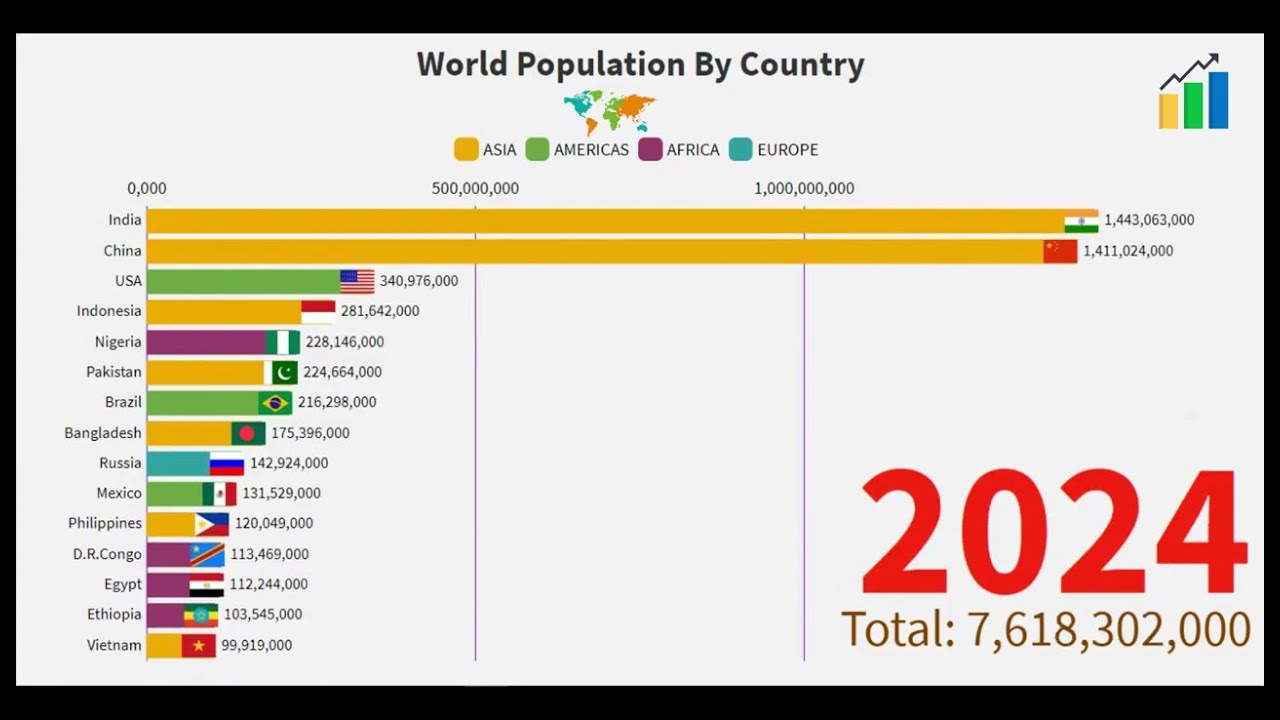
Top 15 Countries By Total Population From (19802024)… YouTube, Populations shown for the most populous countries and on the. Year wise world population, population growth rate and net change from 1950 to 2100 by united nations.
 Source: barbqviviana.pages.dev
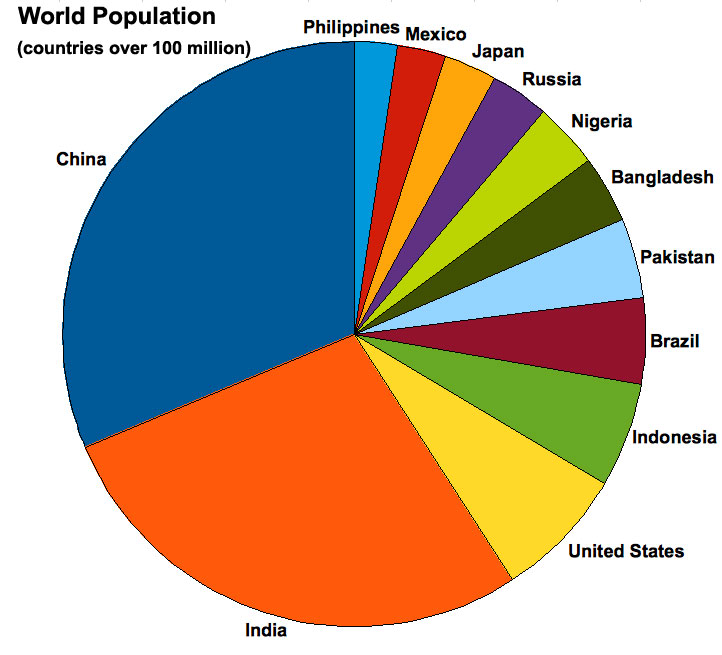
World Population By Race 2024 Pie Chart Gnni Malissa, Cite this article reuse our work freely. As of 2017, the global population has reached more than 7.5 billion people, spanning the inhabited continents.
 Source: www.youtube.com
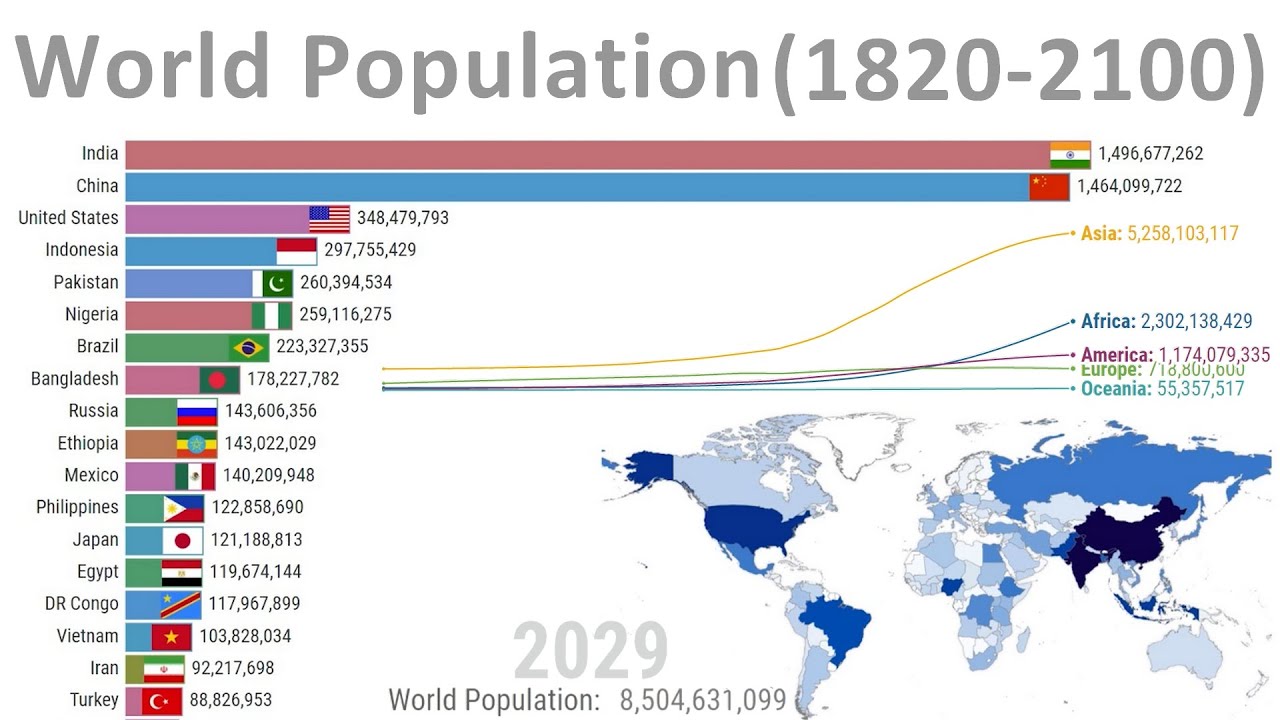
World Population History & Projection (18202100) YouTube, Annual population growth with un projections. Total population 1960 1964 1968 1972 1976 1980 1984 1988 1992 1996.
 Source: mavink.com
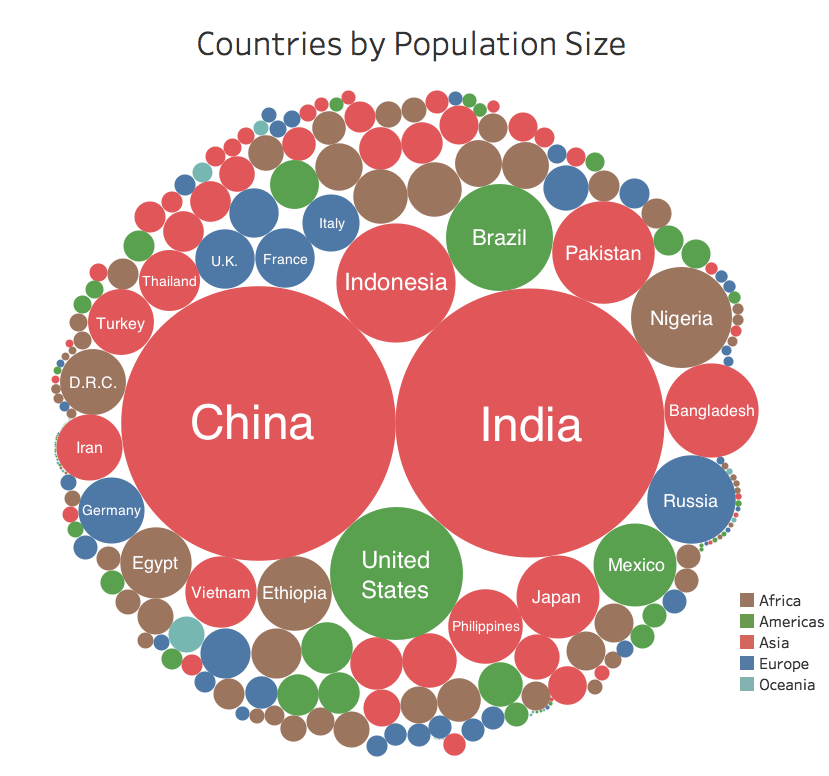
World Population By Countries Chart, The latest un projections suggest that the world’s population could grow to around 8.5 billion in 2030 and 9.7 billion in 2050, before reaching a peak of around 10.4. ( 2 ) census reports and other statistical publications from national statistical offices, ( 3 ) eurostat:
 Source: www.statista.com
Chart The World's Population Is Set To Reach 11 Billion By 2100 Statista, How many people are alive on earth today? Population ages 65 and above (% of total) population growth (annual %) population, male (% of total) postnatal care coverage (% mothers) prevalence of hiv, female (% ages 15.
The Permanent Population Rose By 145,400 To More Than 8,960,800 By The End Of 2023, An Increase Of 1.6%, The Figures Showed.
The first billion was reached around 1800 and in just 200 years we reached 7 billion.
Population Growth Through History From 5000 Bc To The Current Year (2024) For The Entire Population Of The World.
The world population has changed in dramatic ways over the last few centuries.